Explore the world of subtitles and their impact on content consumption. Learn how subtitles can improve accessibility, comprehension, and global reach.
Subtitling services can be beneficial for companies as they help reach a wider audience, improve accessibility, and enhance user experience. They can also increase engagement and understanding, particularly for international viewers. However, the decision depends on factors such as budget and content type. Overall, it's worth considering the advantages.
Explore the importance of accessibility in the UK e-learning sector, the legal framework governing it, strategies for improvement, and the significant benefits of an inclusive online learning environment.
Language service providers (LSPs) are adapting to meet the growing demand for subtitling services. They are leveraging technology, including automated subtitling tools and machine translation, to increase efficiency and speed. LSPs are also focusing on quality control and employ human editors to ensure accurate and culturally appropriate subtitles.
This article discusses the importance of integrating SDH subtitles into streaming services to enhance accessibility. It highlights the benefits of SDH subtitles, such as improving access for individuals with hearing impairments, and provides recommendations on how streaming platforms can implement this feature effectively.
Exploring the intricate world of providing SDH subtitles for live broadcasts, this article delves into the technical, ethical, and logistical challenges of ensuring live shows are accessible to all, highlighting the importance of inclusivity in modern media.
Subtitling in business presentations enhances communication and comprehension. It aids in conveying information effectively, especially for multilingual or hearing-impaired individuals. Subtitles provide clarity, reduce misunderstandings, and ensure inclusivity, making business presentations more accessible and impactful.
Multilingual subtitling is essential for global content teams to reach audiences around the world. It helps overcome language barriers and ensures that messages are understood across different cultures. This blog post explores the benefits and challenges of implementing multilingual subtitling for global content teams.
Subtitling can help your business reach a wider global audience by making your content accessible to viewers who speak different languages. It allows you to break down language barriers and increase engagement, ultimately expanding your reach and potential customer base.
This blogpost discusses the benefits of integrating AI subtitling technology in multilingual content strategies for language service providers. AI subtitling can increase efficiency, accuracy, and speed in providing subtitles for videos, making it a valuable tool for language professionals.
Marc and I have curated a list of tools for you that could be useful in your everyday jobs. It includes five tools that we love and that, we believe, could be useful for you too. Don’t hesitate to contact me at andre@happyscribe.co to tell us about
Adding subtitles to online classes can enhance learning by improving comprehension, accessibility, and engagement. Subtitles aid learners with different learning styles, language barriers, and hearing impairments. They also promote focus, retention, and self-paced studying. Incorporating subtitles can make online education more inclusive and effective for all students.
In this article, you’ll learn all about the art and techniques of dubbing, from syncing dialogue with lip movements to capturing the original emotions of characters. We’ll explore the methods and best practices that make high-quality dubbing possible, helping content feel natural and engaging for audiences around the world.
This article delves into the crucial role of SDH subtitles in fostering media inclusivity and compliance, highlighting their importance in making content accessible to diverse audiences and ensuring adherence to accessibility laws.
Find the best AI subtitle generator websites for YouTube and social media. HappyScribe reviews the best tools in the market to add subtitles and much more.
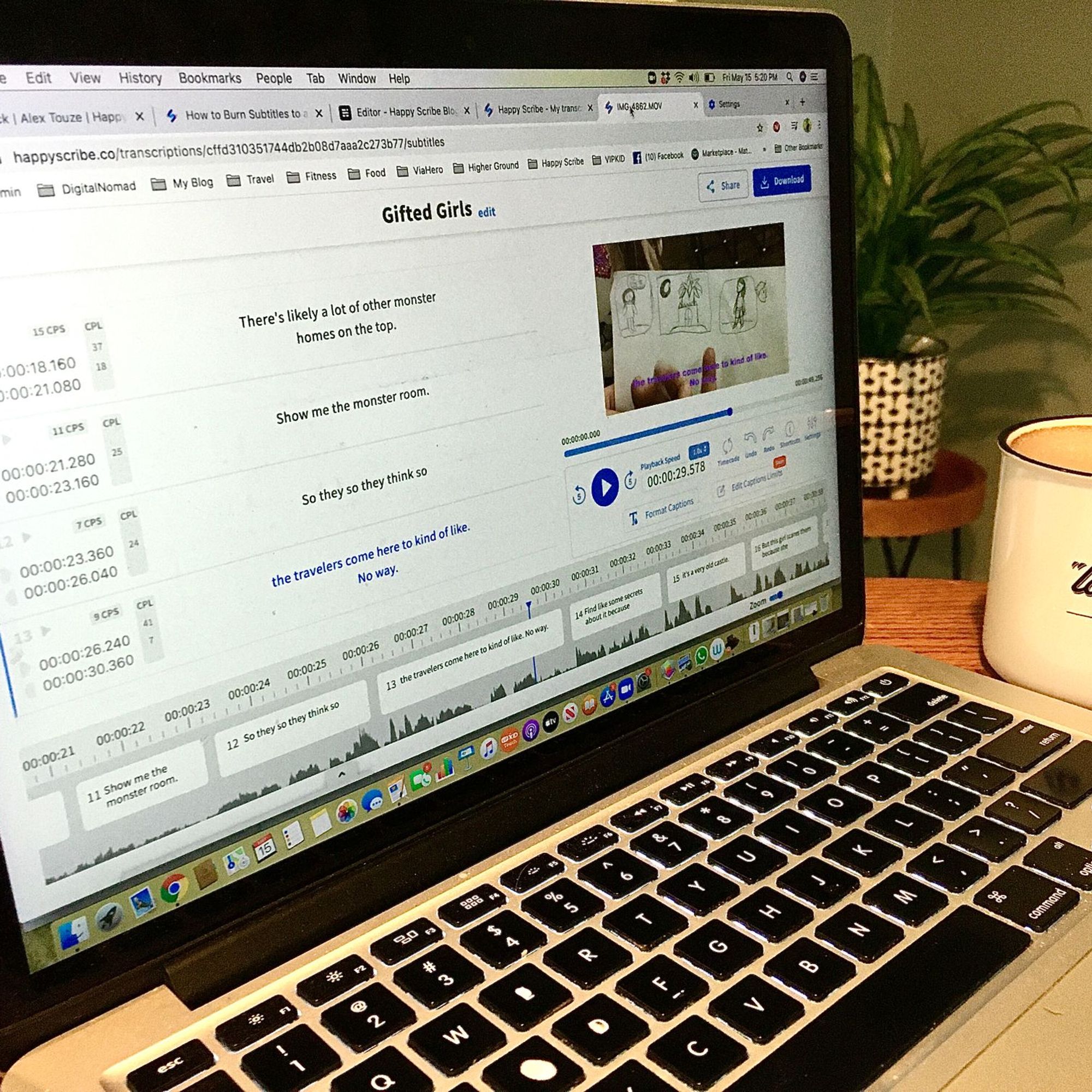
HappyScribe offers highly accurate AI Subtitles and easy video translation in 150+ languages. Use the intuitive Subtitle Editor to polish timing and export to SRT or VTT files.
Reach global audiences with the best AI video translator tools like HappyScribe, Rev, Smartcat, Maestra AI, and Wavel AI for accurate subtitles and voiceovers.
Find the 5 best professional subtitling services in 2026. Compare HappyScribe, Rev, Amberscript, and more to find accurate, accessible, and compliant solutions.
Discover the 5 best subtitle generators in 2026: HappyScribe, Veed, Canva, Sonix and Descript. Compare features, pricing, languages, accuracy to choose yours.
Research suggests that millennials and Gen Z viewers have made captions and subtitles a regular part of their viewing experience, both by choice and sometimes out of necessity. This article discusses the trends and benefits of captions and subtitling for younger audiences.
In this article, we’ll walk you through the differences between VTT and SRT subtitle formats, so you can pick the one that works best for your video. Whether you’re after sleek, styled captions or just need something simple and widely compatible, we’ve got you covered!
In this article, we’ll dive into why subtitles are important for your Instagram Reels and how they can improve your content. You’ll learn how tools like HappyScribe can help you easily add captions to your videos, making them more accessible and engaging for a bigger audience.
An analysis of eye movements as people read subtitles? That sounds like scientific experimentation, but in fact, researchers are using viewing patterns, or “eye tracking technology,” as a tool to make subtitling more effective. This article provides an overview of how researchers are using this information to better understand what viewers focus on while watching a screen, including text, images, and other visual cues. Researchers then apply this knowledge to improve subtitle placement, formatting, timing and more!
Shot changes - transitions between different camera angles, scenes, or locations - are fundamental to storytelling in video, but also pose unique challenges for subtitling. We’ll dive deep into what shot changes are exactly and why they’re super important for providing top-quality subtitles.
In this article, you'll learn all about the European Accessibility Act (EAA) and its requirements for making audiovisual content accessible through subtitles and captions. It also explains how automating the subtitling process can save you time and money, improve accessibility, and engage a broader audience. Article written by Henni Paulsen, June 2024.
This article examines the complexities of creating effective and accurate SDH subtitles, highlighting the technical, linguistic, and cultural challenges involved in making media content accessible and inclusive for all viewers.
Exploring the transformative impact of SDH subtitles, this article delves into their crucial role in enhancing accessibility for the deaf and hard of hearing, aiding language learners, and navigating the challenges of cultural and linguistic translation in global digital media.
This article explores SDH subtitling as a complex art that enriches the viewing experience for the deaf and hard of hearing by blending dialogue, sound effects, and emotional depth. It discusses foundational aspects, methods, obstacles, and technological advancements in SDH subtitling, emphasizing the critical roles of precision, timing, and comprehensive audio cues, and anticipates the use of AI and cloud technology to improve subtitling accessibility and efficiency.
This article provides a step-by-step guide on creating SDH subtitles for movies, offering tips and techniques on how to make them accessible and visually appealing to viewers.
HappyScribe is thrilled to announce a new partnership with GALA, The Globalization and Localization Association, where HappyScribe provides English subtitling services for GALA’s videos in 2024.
This article compares the effectiveness of AI and human subtitling for educational and academic content. It explores the pros and cons of each approach, highlighting the accuracy, efficiency, and cost factors. Ultimately, it poses the question of which method is more efficient for accurate subtitling in educational contexts.
Subtitles in virtual classes can enhance accessibility and learning experiences. Use clear fonts and colors, place them at the bottom of the screen, and ensure accurate captions. Encourage students to provide feedback on subtitle preferences and make adjustments accordingly.
This blog post explores the challenges and opportunities in using AI for subtitling in language services. It discusses how human expertise and AI can be combined to improve efficiency and accuracy in subtitling, highlighting the importance of finding the right balance between human and machine capabilities.
Subtitling educational videos in universities can benefit multilingual audiences in various ways. It improves comprehension, allows non-native speakers to follow along, supports accessibility for the deaf and hard of hearing, and aids in language learning. Subtitles also enable better retention of information and create a more inclusive learning environment.
This blog post discusses the evolution of subtitling technology and its implications for higher education. It explores how advancements in technology have made subtitling more accessible and accurate, benefiting both students and educators. The post also highlights the potential impact of these advancements on language learning and accessibility in education.
This blogpost discusses the potential benefits of real-time subtitling for academic events and seminars. It highlights the accessibility and inclusivity advantages, as well as the potential for enhancing understanding and engagement among attendees. The post also considers the challenges and solutions for implementing real-time subtitling technologies.
This blogpost emphasizes the significance of cultural sensitivity in subtitling for international students in universities. It highlights the need to consider cultural nuances and adapt subtitles accordingly to ensure effective communication and understanding.
This blogpost discusses the importance of providing subtitles in education to make it fair for students in international schools and universities. It highlights the benefits of subtitles for students with hearing impairments and those who speak English as a second language.
This blog post discusses the benefits of using subtitles in research and conference videos to make them accessible and shareable worldwide. Subtitles can help overcome language barriers and improve accessibility for individuals with hearing impairments, making the content more inclusive and reaching a broader audience.
This blogpost discusses the importance of subtitles in making academic and educational videos accessible to a wider audience. It explores the benefits of subtitles and provides tips on how to effectively add subtitles to videos.
Automated subtitles offer a cost-effective and time-saving solution in education. They enhance accessibility for students with hearing impairments and second language learners.
This blog post highlights the importance of using captions for companies in various contexts. It emphasizes how captions can enhance accessibility, engagement, and search engine optimization. Additionally, it discusses the features and benefits of using HappyScribe, a captioning and transcription tool.
This blogpost discusses the potential of AI subtitling in global media to enhance multilingual accessibility. It explores the benefits of AI technology for improving accuracy, speed, and cost-effectiveness in creating subtitles. The future looks promising for leveraging AI in making content more accessible across languages.
Controlling language quality in AI-powered subtitling is important for accurate and effective communication. This blog post provides tips on how to maintain high language standards, including training the AI model with quality data, using proper punctuation and grammar, and regularly reviewing and refining the subtitles.
This blogpost discusses how artificial intelligence (AI) is being utilized to expedite subtitling in language services. It explores various AI techniques and tools that are employed to automate and improve the subtitling process, resulting in faster and more efficient translation and localization services.
This blog post explores the various aspects of professional captioning workflows. It covers topics such as best practices, tools, and technologies involved in captioning, making it a valuable resource for professionals in the captioning industry.
This blog post discusses the impact of Automatic Speech Recognition (ASR) and Machine Translation (MT) on subtitling. ASR and MT technologies have made subtitling more efficient and accurate, but there are still challenges such as accuracy, style, and cultural context that need to be addressed.
This blogpost provides insights into the media localization sector, with a focus on subtitling and captioning. It discusses the industry's growth and the importance of these services in reaching global audiences. The post also covers trends, challenges, and best practices for content localization in the fast-evolving media landscape.
This blogpost explains how AI-driven subtitling can enhance the efficiency and accuracy of language service providers. By automating the subtitling process, AI technology can save time and reduce errors, leading to improved productivity and customer satisfaction.
Advanced captioning is revolutionizing the language industry by providing accurate and real-time translations of spoken content into text form. This technology is benefiting various sectors, including media, education, and accessibility services, by making audio and video content more inclusive and accessible to a wider audience.
This blog post offers tips and tricks for language professionals on how to create perfect captions. It provides helpful insights on crafting engaging and effective captions that enhance the communication and impact of their work.
This blogpost discusses the impact of machine learning and AI on subtitling services, highlighting the benefits of these technologies in improving accuracy and efficiency. The use of advanced algorithms and automated processes is revolutionizing the language services industry.
This blog post discusses the increasing importance of subtitling and captioning in multilingual media. It highlights their role in ensuring accessibility, reaching broader audiences, and improving understanding. Subtitles and captions have become essential tools for media creators to engage viewers from different languages and cultures.
This blogpost offers helpful tips for language service providers to improve subtitling services. Topics include timing, length, readability, accurate translations, and software tools. Following these tips can enhance the overall quality and experience of subtitles for viewers.
AI technology is revolutionizing the field of subtitling, allowing for personalized and customized solutions in language services. By utilizing AI, companies can provide accurate and tailored subtitles that meet individual needs and preferences, enhancing the overall viewer experience.
This blog post discusses the benefits of using cloud-based and software platforms for subtitling, such as increased efficiency, accessibility, and collaboration capabilities. These platforms can streamline the subtitling process and improve overall productivity for content creators.
Yes, Zoom has a feature called Closed Captioning that can display translated subtitles. Hosts or participants can enable this feature and select the language for the subtitles. It's a useful tool for multilingual meetings or webinars.
This blog post provides a step-by-step guide on how to translate subtitles on Zoom. It covers the process of enabling the real-time transcription feature, selecting the language for translation, and adjusting subtitle settings for optimal viewing. Helpful tips and troubleshooting suggestions are also included.
Timing is crucial in professional subtitling. Proper synchronization between the audio and subtitles enhances viewer experience. Subtitles should appear and disappear at the right moment to ensure clarity and readability. Timing also affects the overall flow and comprehension of the content being subtitled.
Captions help improve the engagement and training value of videos. Here, we break down how to create and use subtitles for employee training materials.
In our rapidly globalizing world, content producers must bridge linguistic gaps while ensuring accessibility. Subtitles aren't just a tool; they're a necessity. Dive into the significance of subtitling, its potential to captivate global audiences, and discover how tools like HappyScribe can make it all seamless.
In today's digital era, translating subtitles in Zoom recordings promotes inclusivity. Discover how to achieve this step-by-step with HappyScribe and other tools.
This guide explores the specifics of Vimeo, including memberships, video preparation, file formats, transcription, and subtitles, to help creators optimize their content.
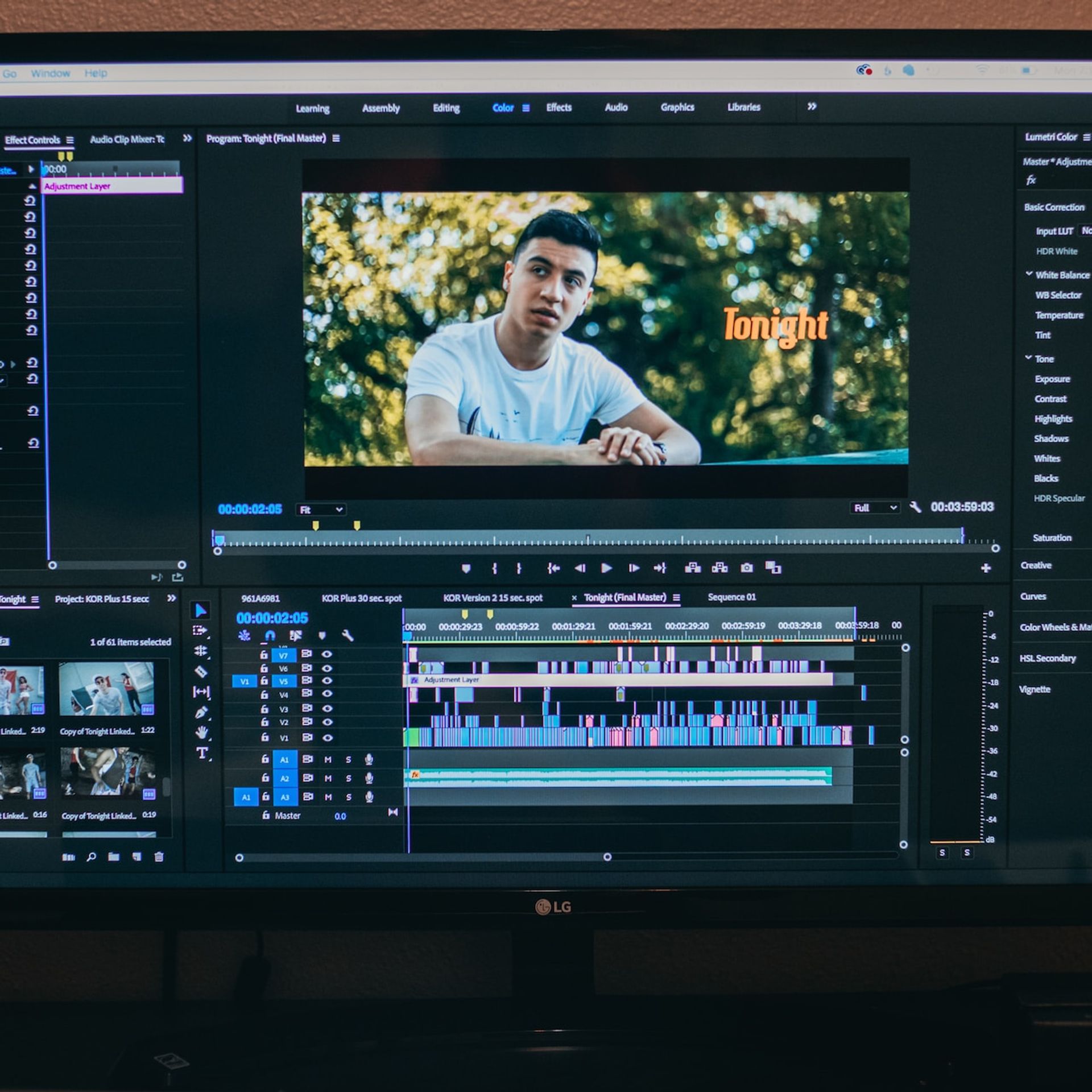
Wondering how to make a professional video with a minimum effort? Read for some tricks and video editing tips to help you create a great quality video project!
Subtitling boosts social proof, reduces backlash, and enhances accessibility, bolstering online presence. This piece examines its benefits, citing French E-learning platform Skilleos as a case study.
Discover the vital role of captions in e-learning accessibility, and explore the differences between closed and open captions to decide the best fit for your courses. Uncover the significance of popular platforms like Netflix and Google in championing captioning, as well as legal regulations to ensure inclusivity.
In this article, we delve into accessibility challenges within the e-learning industry, and present strategies for creating inclusive online learning environments.
Discover how to enhance accessibility in e-learning by adding subtitles to Loom course videos using the powerful and user-friendly platform, HappyScribe.
Highlighting the importance of captions and translations, this article provides a detailed guide to video translations on Vimeo for global content accessibility.
Get the lowdown on using Vimeo for live streaming, engaging real-time audiences, and upping your video game with cool features like HappyScribe subtitles.
This article provides a detailed guide on creating and applying subtitles to Vimeo videos, discussing various subtitle formats supported by Vimeo and the steps to generate subtitles.
Vimeo offers diverse options for adding subtitles to videos, and when issues arise, such as unsupported formats or incorrect coding, Vimeo provides straightforward troubleshooting steps, ensuring content is accessible and reaches a broad audience.
Discover the benefits of captions, including increased accessibility, broader audience reach, improved attention retention, and easier content navigation.
Easily enhance your Vimeo video experience by adding subtitles. Learn how to download Vimeo videos and their corresponding subtitle files, and discover different methods for playing videos with subtitles.
Adding subtitles to videos can increase audience engagement, improve accessibility, and help promote a positive image of a company, making it a useful tool for job postings and promotions.
HappyScribe offers fast and accurate closed captioning and translation services for Vimeo videos. Adding subtitles to videos on Vimeo increases accessibility, broadens the audience, and improves viewer engagement
Your subtitles need to be readable and perfectly synced with the video and perfectly follow the reading skills of your audience. For example, you don't make subtitles for adults the same as subtitles for children.
How do you get accurate subtitles and captions on your Facebook page videos? It is actually easier than you think. Here is an easy step-by-step guide to follow.
LINC (Leadership for INCLusion in the Early Years) is an higher education level programme which enables practising early years’ educators to support the inclusion of children with additional needs in their early years of education. LINC has grown to be Ireland’s largest blended learning cohort in higher education offering
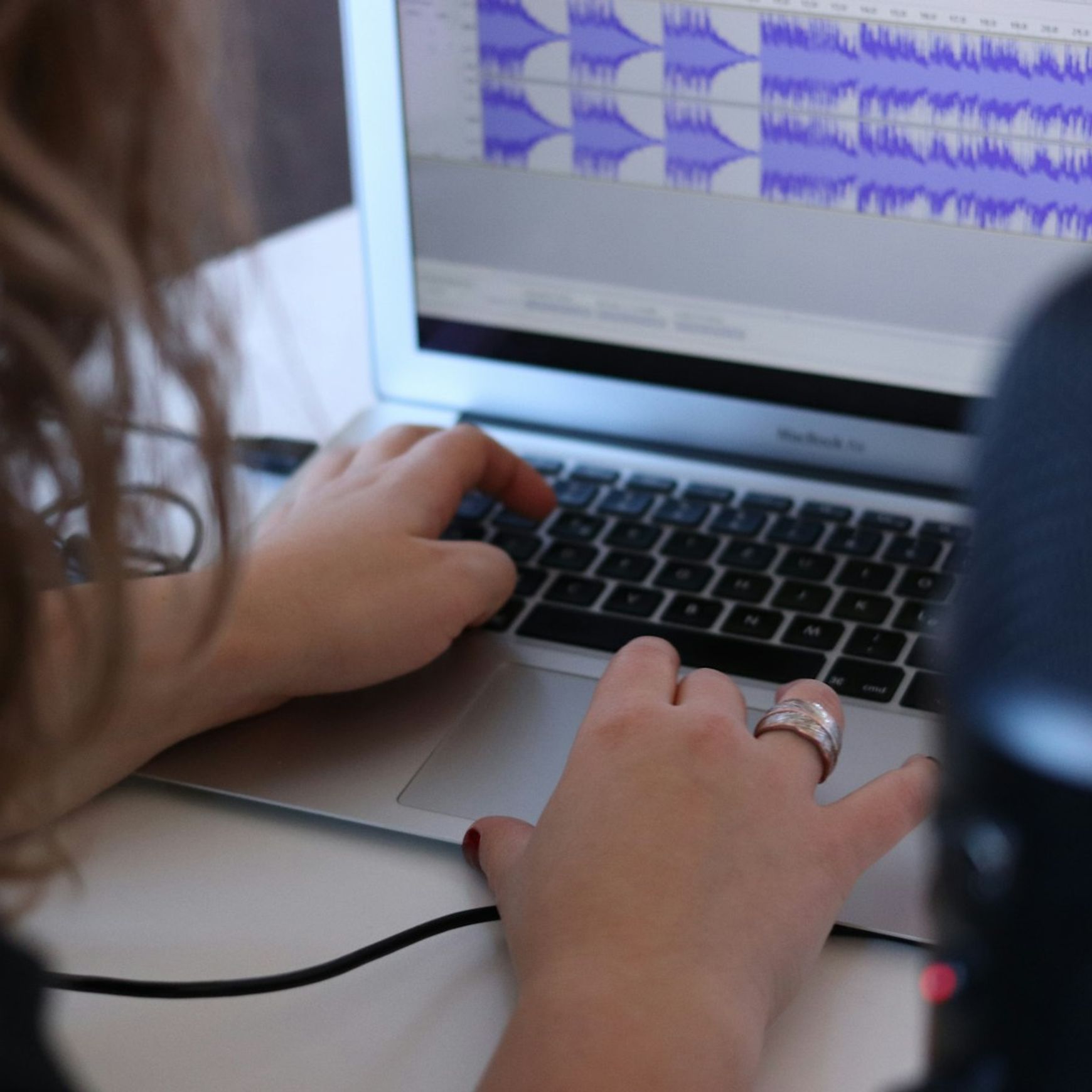
Being efficient and saving time is the key to success for any video editor. Use these 5 productivity hacks to help you stay focused, work faster, edit smarter and stream-line your post-production approach.
Adding subtitles to your Youtube video is a great move if you want to increase your viewership and make your content more accessible for deaf and hard of hearing. By default Youtube does not display closed captions. In this tutorial, we will show you step by step what to do
There is a quick and cost-effective way to ensure that online courses are accessible to all: add captions to Blackboard videos. HappyScribe shows you how.
There is nothing quite like enjoying a good film, series or documentary, and really getting immersed in the story. But what happens when that great piece of art is not in a language you can understand? And what happens when you can see the video but physically can’t hear the audio? That’s where subtitles and closed captions (CC) come in. Both bits of timed on-screen text offer language access and language accessibility, supporting a full viewing experience, but they do so in different ways. In this article we are going to explain how.
SDH subtitles ensure that video content can be accessed by the entire Internet population. HappyScribe discusses their attributes and why you should use them.

 Niek Leermakers
·
10 min read
Niek Leermakers
·
10 min read